
"coffee growing Haiti"
600 article(s) found

A brief introduction to the cultivation of fine coffee beans in Santo Domingo with excellent acidity, geographical location, climate and altitude
In the early 18th century, coffee was introduced to Domiga from Martinique, and fine coffee was produced in the north represented by Hibao and in the south, including Okayabani Santo Domingo. Among them, the coffee produced by Santo Domingo and Barney, which is almost synonymous with domiga coffee, is a world-famous high-quality coffee. Santo Domingo coffee, which is characterized by freshness and elegance,

A brief introduction to the treatment method of grinding degree and baking degree of Santo Domingo fine coffee beans with excellent acidity
In the early 18th century, coffee was introduced to Domiga from Martinique, and fine coffee was produced in the north represented by Hibao and in the south, including Okayabani Santo Domingo. Among them, the coffee produced by Santo Domingo and Barney, which is almost synonymous with domiga coffee, is a world-famous high-quality coffee. Santo Domingo coffee, which is characterized by freshness and elegance,

Description of taste and flavor of coffee grindability characteristics in Manor Atlanta, Jamaica
The earliest coffee on the island of Jamaica came from Haiti in Latin America in 1728. By 1790, some coffee farmers among the refugees in exile from Haiti had settled in the Blue Mountains and brought coffee-growing technology here. In 1838, Jamaica abolished slavery and allowed liberated slaves to cultivate their own land. Free slaves moved to the mountains to specialize in planting.

Introduction to the characteristics and taste of Yinshan Manor coffee with almond flavor
The earliest coffee on the island of Jamaica came from Haiti in Latin America in 1728. By 1790, some coffee farmers among the refugees in exile from Haiti had settled in the Blue Mountains and brought coffee-growing technology here. In 1838, Jamaica abolished slavery and allowed liberated slaves to cultivate their own land. Free slaves moved to the mountains to specialize in planting.

Introduction to the characteristics of Dominica Santo Domingo Coffee Flavor Manor
At the beginning of the 17th century, French, Dutch, and British pirates were operating in the western part of the island of Hispaniola. France began to allow farmers and merchants to gradually colonize the western part of the Spanish island, blocked by the island's mountains. Without attracting the attention of Spaniards in the east, in 1677, about 4,000 French lived in 11 villages in the west of the island. In 1697, France and Spain
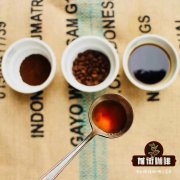
A brief introduction to the characteristics, climate and growing environment of coffee beans and their coffee beans in 12 countries
Professional coffee knowledge exchange more information about coffee beans Please follow the coffee workshop (Wechat official account cafe_style) Coffee comes from the Greek Kaweh, meaning strength and enthusiasm. Coffee tree is a small evergreen tree of Rubiaceae. Coffee for daily drinking is made of coffee beans combined with various cooking utensils, and coffee beans refer to the nuts in the fruit of coffee trees.

Faint fruity flavor of Dominican coffee taste introduction to the characteristics of boutique coffee in the manor area
The Dominican Republic is a popular country for travelers. It lives next to Haiti on the island of Hispaniola in the West Indies, Dominica in the west and Haiti in the east. The whitest and softest white sand in the world, the cool sea breeze from the Atlantic and Caribbean and the warm sunshine in the tropics make it a holiday paradise on a par with Maldives and Hawaii.

Characteristics of Dominica coffee beans in Dominica coffee producing areas
The Dominican Republic is a popular country for travelers. It lives next to Haiti on the island of Hispaniola in the West Indies, Dominica in the west and Haiti in the east. The whitest and softest white sand in the world, the cool sea breeze from the Atlantic and Caribbean and the warm sunshine in the tropics make it a holiday paradise on a par with Maldives and Hawaii.
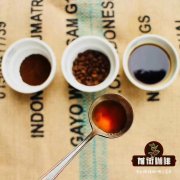
Beans of World Fine Coffee introduction to the characteristics of World Fine Coffee
Professional coffee knowledge exchange more coffee bean information Please follow the coffee workshop (Wechat official account cafe_style) low sour, low bitter, mellow taste, rich aroma this series of beans are mainly Asian beans, although Brazil in the Americas is the largest coffee producer, it is also included in this category because of its slightly monotonous taste. The typical Asian bean and island flavor is characterized by medium alcohol thickness ratio.

Description of Flavor of Dominica Coffee with Fruit Flavor introduction to the degree of Baking of varieties treated with Grinding degree
The Baez regime was overthrown in 1874, but was elected president two years later and finally stepped down in 1878. General Ulysses Errou came to power in 1882, which gradually stabilized the political situation in Dominica, which had been uneasy for many years. During the reign of President Errou, the political stability gave many countries a respite, and the continuous improvement of sugar industry technology resulted in many European countries.
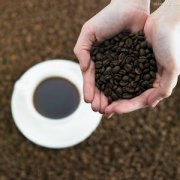
The treatment method of grinding degree and roasting degree of Dominican boutique coffee with a smooth aftertaste
Turning to the introduction of Dominican coffee, the most distinctive features are fresh and elegant, full of particles, excellent acidity and pleasant flavor (two colleagues agree with this). Such flavor characteristics are not only related to the variety and the quality of the soil, but also closely related to the picking and handling of raw beans. Dominica's coffee is selected by the most expensive manual method, workers.

Introduction to the description and treatment method of characteristic varieties and Flavor of Coffee Grinding Manor in Dominica
The Dominican Republic is a popular country for travelers. It lives next to Haiti on the island of Hispaniola in the West Indies, Dominica in the west and Haiti in the east. The whitest and softest white sand in the world, the cool sea breeze from the Atlantic and Caribbean and the warm sunshine in the tropics make it a holiday paradise on a par with Maldives and Hawaii.

Dominica Santo Domingo Coffee Flavor description, Grinding characteristics, Price, planting Environment
The Dominican Republic is a popular country for travelers. It lives next to Haiti on the island of Hispaniola in the West Indies, Dominica in the west and Haiti in the east. The whitest and softest white sand in the world, the cool sea breeze from the Atlantic and Caribbean and the warm sunshine in the tropics make it a holiday paradise on a par with Maldives and Hawaii.

Introduction to the flavor and taste characteristics of Dominica coffee manor with rich coffee bean aroma
In December 1492, Christopher Columbus arrived on Hispaniola on his first voyage. On his second voyage there in 1493, Santo Domingo became the capital of the island. [3] thousands of Tainos were demoted to slavery and engaged in gold mining. Due to a series of oppression, hunger and disease, by 1535, the Tino had only 60,000 left. 1501, Spain

Fresh and elegant Santo Domingo fine coffee beans grinding degree roasting degree processing method
Dominican coffee is graded in AA, AB, etc. size, but coffee rules such as Siwao and Barahona are also classified as top quality. Both coffees are harvested in February to May and are washed. Such flavor characteristics are not only related to varieties and planting soil quality, but also closely related to the picking and processing methods of raw beans.

A brief introduction to the description of flavor, taste and aroma characteristics of smooth and smooth Santo Domingo coffee
Coffee in Dominica varies slightly in taste according to the altitude of the region where it is grown, with sour but rich taste in the highlands, and less sour and smoother taste in the lowlands. On the other hand, the high-quality coffee beans produced by some Dominican estates have a rich aroma, mellow taste, moderately bright sour taste, and are often used with famous Puerto Rican or Jamaican coffee.

Introduction to the characteristics of Dominican coffee varieties with a winding aftertaste, the degree of grinding, the taste of the manor.
In 1869, the then multinational President Bez sought the consent of President Ulysses Simpson Grant of the United States, hoping to integrate Dominica into the United States Union and allow the United States to repay the $1.5 million foreign debt of many countries at that time. President Grant believes that this will give blacks who have been freed from slavery in the south a free place to live and no longer be threatened by southern whites, but the most

Dominica Coffee Flavor description Variety production area treatment method introduction of Grinding degree and Baking degree
The Dominican Republic is a popular country for travelers. It lives next to Haiti on the island of Hispaniola in the West Indies, Dominica in the west and Haiti in the east. The whitest and softest white sand in the world, the cool sea breeze from the Atlantic and Caribbean and the warm sunshine in the tropics make it a holiday paradise on a par with Maldives and Hawaii.

Flavor description of Nicaraguan Coffee beans introduction of varieties produced in Manor
Flavor description of Nicaraguan coffee beans grind scale taste the variety of the manor is delicious and sweet, the full-grained coffee Republic of Dominica (Dominican Republic) is adjacent to Haiti, both have the island of Hispaniola (Hispaniola). Like its neighbors, the Dominican Republic had a history of revolution and poverty, but now it has adopted democracy.

Introduction to Dominica Santo Domingo Coffee Manor with excellent acidity and pleasant fragrance
In December 1492, Christopher Columbus arrived on Hispaniola on his first voyage. On his second voyage there in 1493, Santo Domingo became the capital of the island. [3] thousands of Tainos were demoted to slavery and engaged in gold mining. Due to a series of oppression, hunger and disease, by 1535, the Tino had only 60,000 left. 1501, Spain